English Made Easy Book 1 Complete Learning Guide
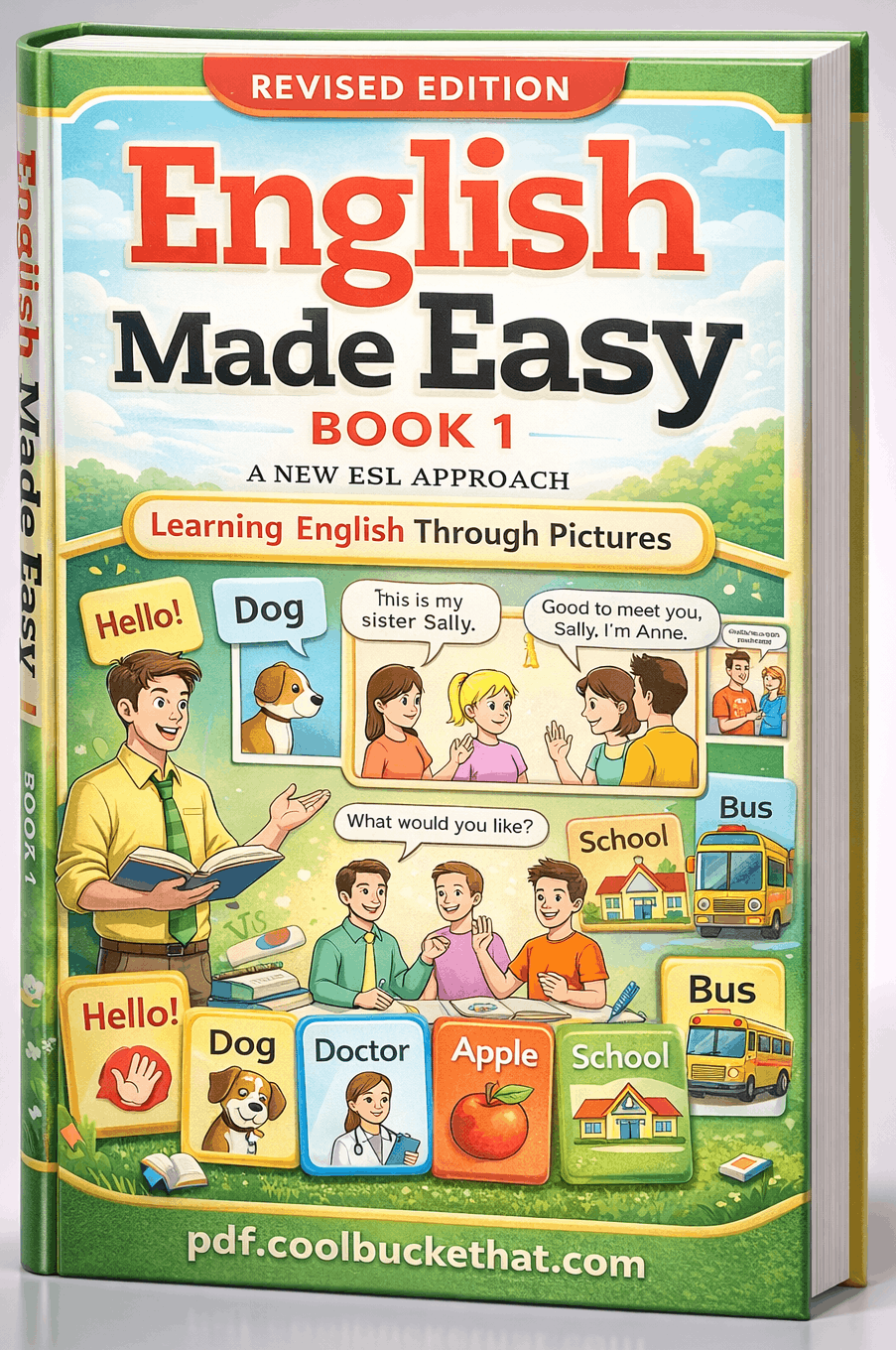
English Made Easy Book 1 is a beginner-friendly resource designed to help learners build a strong foundation in English. With simple lessons, visual support, and structured practice, this book introduces essential vocabulary and grammar in a clear and practical way. It is especially helpful for students who are just starting their English learning journey.
Learning a new language can feel overwhelming at first. However, when lessons are organized step by step, progress becomes easier and more enjoyable. This book focuses on simplicity, repetition, and real-life communication. As a result, learners gain confidence while developing basic language skills.
In this article, we will explore the key features, structure, benefits, and study tips related to this popular beginner-level English book.
Why Beginners Need a Structured English Book
Starting without guidance can lead to confusion. Many beginners struggle because they try to learn too many things at once. Therefore, a well-organized beginner book is essential.
A structured book helps learners:
Understand basic sentence patterns
Learn common vocabulary
Practice simple conversations
Build reading and writing confidence
Improve pronunciation gradually
When learners follow a clear progression, they avoid frustration and stay motivated.
Overview of English Made Easy Book 1
This book is designed for absolute beginners or elementary-level learners. It introduces English through pictures, dialogues, and simple exercises. Each lesson builds on previous knowledge, ensuring steady improvement.
Visual Learning Approach
One of the strongest features of English Made Easy Book 1 is its visual method. Pictures support vocabulary learning and help students understand meaning without translation. Visual learning improves memory and reduces confusion.
For example, when introducing family vocabulary, images clearly show relationships. As a result, learners connect words directly with meaning.
Simple Dialogues
The book includes short and practical conversations. These dialogues focus on everyday situations such as greetings, introductions, and daily routines. By reading and practicing these conversations, students develop speaking confidence.
Step-by-Step Grammar Introduction
Grammar is introduced gradually. Instead of complex explanations, simple examples are provided first. Then, exercises allow learners to practice naturally.
Key Topics Covered
The book focuses on essential beginner topics. These include:
Greetings and introductions
Numbers and time
Family members
Daily activities
Basic verbs and sentence structure
Simple present tense
Questions and short answers
Because topics are practical, students can use what they learn immediately in real-life conversations.
Building Vocabulary Effectively
Vocabulary is the foundation of communication. Without enough words, speaking becomes difficult. Therefore, this book emphasizes practical and frequently used words.
Learning Words in Context
Instead of long word lists, vocabulary appears in dialogues and stories. Context makes words easier to remember. Furthermore, repeated exposure strengthens retention.
Practice Activities
After each lesson, exercises test understanding. These include matching activities, fill-in-the-blank tasks, and sentence writing. Regular practice improves recall and accuracy.
Improving Speaking Skills
Speaking is often the most challenging skill for beginners. However, this book encourages active practice from the beginning.
Repetition for Confidence
Repetition plays an important role in language learning. Short conversations are repeated in different formats. This method builds automatic responses.
Pair Practice Suggestions
Although the book can be used for self-study, it is also effective in classrooms. Teachers can use dialogues for pair work and role-playing activities. These exercises create a supportive speaking environment.
Reading and Writing Development
In addition to speaking, reading and writing skills are introduced gradually.
Short Reading Passages
Reading passages are short and simple. They reinforce vocabulary and grammar from previous lessons. Because sentences are not too long, learners feel comfortable.
Guided Writing Tasks
Writing exercises begin with simple sentences. Over time, learners create short paragraphs. Clear instructions guide students step by step.
Who Should Use This Book?
English Made Easy Book 1 is suitable for:
Its simple design makes it accessible to learners from different backgrounds.
Tips for Using the Book Effectively
To maximize results, learners should follow a consistent study routine.
Study Regularly
Short daily sessions are more effective than long weekly sessions. Even 20 to 30 minutes per day can lead to steady improvement.
Speak Out Loud
Reading dialogues silently is helpful, but speaking aloud improves pronunciation and fluency. Practicing pronunciation daily strengthens confidence.
Review Frequently
Revision is essential for long-term memory. Reviewing previous lessons each week prevents forgetting.
Combine With Listening Practice
Although the book focuses on reading and speaking, adding audio resources improves listening skills. Watching simple English videos can complement learning.
Benefits of Learning With Visual Support
Visual learning reduces reliance on translation. Instead of thinking in the native language first, learners connect directly with English words.
This method:
As a result, fluency develops more smoothly over time.
Common Challenges for Beginners
Every beginner faces challenges. However, understanding these challenges helps learners overcome them.
Fear of Making Mistakes
Many students hesitate to speak because they fear errors. However, mistakes are part of learning. The simple structure of this book creates a safe starting point.
Slow Progress
Language learning takes time. Some learners expect quick results. However, steady practice brings lasting improvement.
Vocabulary Forgetting
Without review, new words may be forgotten. Therefore, consistent revision is necessary.
Long-Term Learning Path After Book 1
Completing English Made Easy Book 1 provides a strong foundation. However, continued learning is important. After mastering beginner topics, learners can move to higher-level materials.
The next steps may include:
Expanding vocabulary
Learning additional verb tenses
Practicing longer conversations
Improving listening comprehension
Writing longer paragraphs
A solid beginner base makes advanced learning easier.
Why This Book Remains Popular
Many English learning resources exist today. However, simple and structured books remain valuable. English Made Easy Book 1 continues to be popular because it focuses on clarity and practical usage.
Its visual approach, gradual progression, and interactive exercises make learning less stressful. Instead of overwhelming students, it builds confidence step by step.
Final Thoughts
Starting your English journey can feel challenging, but the right resource makes a difference. English Made Easy Book 1 provides clear lessons, practical vocabulary, and steady skill development.
With regular practice, patience, and review, learners can build strong communication skills. Over time, basic sentences turn into confident conversations.
If you are a beginner looking for a structured and easy-to-follow guide, this book offers a reliable starting point. With dedication and daily effort, fluency begins one simple lesson at a time.