Learn Intermediate French for Adults Workbook Guide
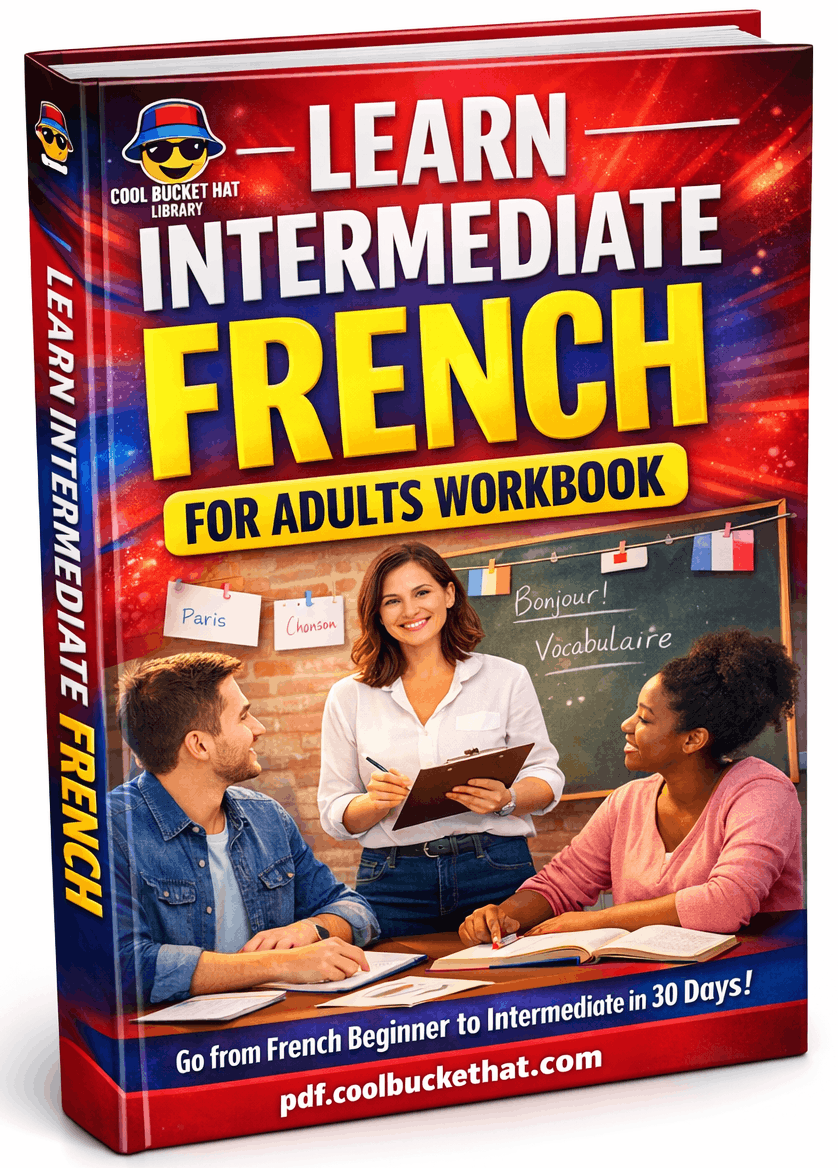
Learn Intermediate French for Adults Workbook is a powerful resource designed for learners who already understand the basics of French and want to move confidently to the next level. If you can form simple sentences but struggle with complex grammar, verb tenses, or fluent conversations, this type of workbook can help you bridge the gap.
Many adult learners reach a point where progress feels slow. You may know common vocabulary and basic rules, yet expressing detailed thoughts still feels difficult. However, with structured practice and targeted exercises, improvement becomes steady and visible. In this guide, we will explore how an intermediate workbook supports adult learners, what features matter most, and how to use it effectively for long-term success.
Why Adults Need a Structured Intermediate Workbook
Learning as an adult is different from learning as a child. Adults often balance work, family, and other responsibilities. Therefore, study time must be efficient and well-organized.
At the intermediate stage, grammar becomes more complex. Verb conjugations expand into multiple tenses. Sentence structures become longer. Subtle differences in meaning start to matter. Without a clear system, confusion can easily appear.
That is why a workbook designed specifically for adults is so valuable. Lessons are structured logically. Explanations are clear and direct. Most importantly, exercises reinforce understanding step by step.
What Makes an Intermediate French Workbook Effective
Not all workbooks are created equal. To truly support progress, certain elements must be included.
Clear Grammar Explanations
At the intermediate level, grammar deepens. You begin working with:
Passé composé vs. imparfait
Future and conditional tenses
Subjunctive mood
Relative pronouns
Complex sentence connectors
Explanations must be simple yet detailed. Short examples should follow each rule. As a result, learners can see how theory becomes practice.
Practical Exercises
Practice is essential. Without repetition, rules are forgotten quickly. Therefore, a strong workbook includes:
Fill-in-the-blank exercises
Sentence transformation tasks
Reading comprehension passages
Short writing prompts
Dialogue-based practice
Each exercise builds confidence. Over time, patterns become natural.
Real-Life Context
Adults prefer practical language. Business communication, travel conversations, and daily life situations are more useful than abstract examples. Because of this, contextual learning increases motivation and retention.
How Learn Intermediate French for Adults Workbook Supports Progress
The Learn Intermediate French for Adults Workbook focuses on gradual skill development. Instead of overwhelming learners with advanced material, it reinforces core structures before introducing new ones.
First, previously learned grammar is reviewed. Then, more complex variations are introduced. Finally, integrated practice helps combine multiple skills at once.
This layered approach is important. It ensures that no concept stands alone. Everything connects logically, which improves long-term understanding.
Strengthening Grammar Confidence
Grammar often causes frustration. However, consistent structured practice makes it manageable.
For example, many learners struggle with the difference between passé composé and imparfait. A well-designed workbook explains the rule clearly. Then, it provides comparison exercises. After that, reading passages reinforce usage in context.
Because repetition occurs in different forms, understanding deepens. Gradually, correct tense selection becomes automatic.
Similarly, the conditional mood may seem intimidating at first. Yet, step-by-step exercises simplify the structure. With practice, forming polite requests or hypothetical statements becomes easier.
Expanding Vocabulary with Purpose
At the intermediate level, vocabulary expands beyond everyday basics. However, memorizing long word lists rarely works.
Instead, vocabulary should be introduced in thematic groups such as:
Work and career
Education and studies
Social issues
Travel and culture
Opinions and debates
When new words appear in sentences and dialogues, retention improves. Context creates memory connections. Therefore, learning feels natural rather than forced.
Additionally, using vocabulary in writing exercises reinforces active recall. This method strengthens fluency over time.
Improving Reading and Writing Skills
Intermediate learners must go beyond simple phrases. Reading comprehension becomes more detailed. Writing becomes more structured.
A good workbook includes short articles followed by questions. These texts expose learners to authentic sentence patterns. As a result, reading speed increases gradually.
Writing exercises are equally important. Short paragraph tasks encourage learners to organize thoughts logically. Transition words such as cependant, donc, and en revanche become part of daily practice.
Over time, sentences become smoother and more connected.
Building Conversational Fluency
Although a workbook is often used independently, it can significantly improve speaking skills.
Dialogue exercises provide natural conversation examples. By reading them aloud, learners practice pronunciation and rhythm. Furthermore, substitution drills help expand responses.
For instance, a basic sentence may be transformed into multiple variations. This repetition strengthens sentence flexibility. Eventually, speaking becomes less hesitant.
Pairing workbook exercises with language exchange sessions can accelerate progress even more.
Study Strategies for Adult Learners
Even the best workbook requires an effective study plan. Consistency matters more than intensity.
Set Realistic Goals
Instead of studying for hours once a week, aim for 20 to 30 minutes daily. Short sessions improve concentration and retention.
Review Regularly
Intermediate grammar builds on previous knowledge. Therefore, weekly review sessions are essential. Revisiting earlier chapters prevents forgetting.
Practice Actively
Write answers fully instead of mentally guessing. Speak exercises aloud. Engage with the material actively rather than passively reading.
Track Progress
Mark completed chapters. Take short self-tests. Visible progress increases motivation and builds confidence.
Overcoming Common Intermediate Challenges
The intermediate stage often feels like a plateau. However, this phase is normal.
Feeling Stuck
Progress may seem slower than at the beginner level. Yet, skills are becoming more refined. Improvement is happening internally, even if it feels subtle.
Mixing Up Tenses
Confusion between verb forms is common. The solution is targeted practice. Focus on one tense at a time before combining them.
Lack of Confidence
Adults sometimes fear making mistakes. However, mistakes are part of growth. Each correction strengthens understanding.
Benefits of Structured Learning for Busy Adults
Adults often juggle responsibilities. Therefore, efficient study tools are necessary.
A structured workbook provides:
Clear lesson paths
Defined objectives
Organized practice
Flexible pacing
You can study at your own speed. If a chapter feels difficult, you can revisit it without pressure. This flexibility reduces stress and supports consistent learning.
Moreover, structured materials eliminate the need to search for random resources. Everything is placed in logical order.
Combining the Workbook with Other Resources
While the Learn Intermediate French for Adults Workbook provides a strong foundation, additional tools can enhance learning.
Listen to French podcasts for intermediate learners.
Watch French series with subtitles.
Use vocabulary apps for daily practice.
Join online conversation groups.
When multiple skills are practiced together, fluency develops faster.
However, the workbook remains the central guide. It ensures grammar accuracy while other tools improve listening and speaking exposure.
Measuring Your Progress
At the intermediate level, progress becomes more qualitative than quantitative.
You may notice:
Longer sentences forming naturally
Fewer grammar corrections needed
Better understanding of spoken French
Increased reading speed
Greater confidence in discussions
These small changes indicate real growth. Consistent workbook practice supports these improvements steadily.
Who Should Use This Workbook
The Learn Intermediate French for Adults Workbook is ideal for:
Adults who completed beginner French courses
Self-learners seeking structured guidance
Professionals preparing for language certifications
Travelers wanting deeper communication skills
University students strengthening grammar foundations
If you already know basic vocabulary and present tense structures, this workbook can elevate your skills significantly.
Long-Term Language Development
Reaching fluency requires patience. Intermediate mastery is a major milestone. It allows you to express opinions, describe experiences, and understand complex ideas.
Structured grammar practice builds accuracy. Vocabulary expansion increases flexibility. Writing exercises strengthen clarity. Together, these elements create balanced language growth.
Eventually, advanced materials become less intimidating. Because your foundation is strong, future learning feels manageable.
Final Thoughts
The intermediate stage is where real transformation begins. With the right tools and steady effort, progress becomes clear and sustainable. The Learn Intermediate French for Adults Workbook offers structured guidance, practical exercises, and logical progression designed specifically for adult learners.
By committing to consistent study and active practice, you can move beyond basic communication and develop genuine confidence in French. Step by step, your grammar will sharpen, your vocabulary will grow, and your conversations will become smoother.
Language learning is not about perfection. It is about steady improvement. With focus, patience, and structured practice, fluency moves from possibility to reality.